Quick answer
Getting more customers online comes down to three jobs done in order: get found (SEO and paid ads), convert the traffic (a focused landing page or funnel), and follow up (automated email flows and a CRM). Most businesses over-invest in traffic while neglecting conversion and follow-up, then blame the traffic. Fix your weakest link first, usually conversion or follow-up, because more traffic only multiplies whatever conversion you already have. Keep the three connected so each one feeds the next.
Every small business wants the same thing: more customers, coming in reliably, without hiring a marketing department. The internet is where most of them now come from, but “do marketing online” is hopelessly vague advice. So here’s the whole thing boiled down to a framework you can actually act on, plus exactly where to start for the biggest win. Think of this as the map; each section links to the deep dive.
Key takeaways
- Getting more customers online is three connected jobs, done in order: get found, convert, follow up.
- More traffic only multiplies the conversion and follow-up you already have. Fix your weakest link first, usually conversion or follow-up.
- The most expensive common mistake is sending paid clicks to your homepage instead of a focused landing page.
- Fast and slow channels work together: paid ads for customers now, SEO so you depend on ad spend less a year from now.
- Because the three jobs feed each other, one connected team beats five vendors who each own a slice and never talk.
The whole model in one line
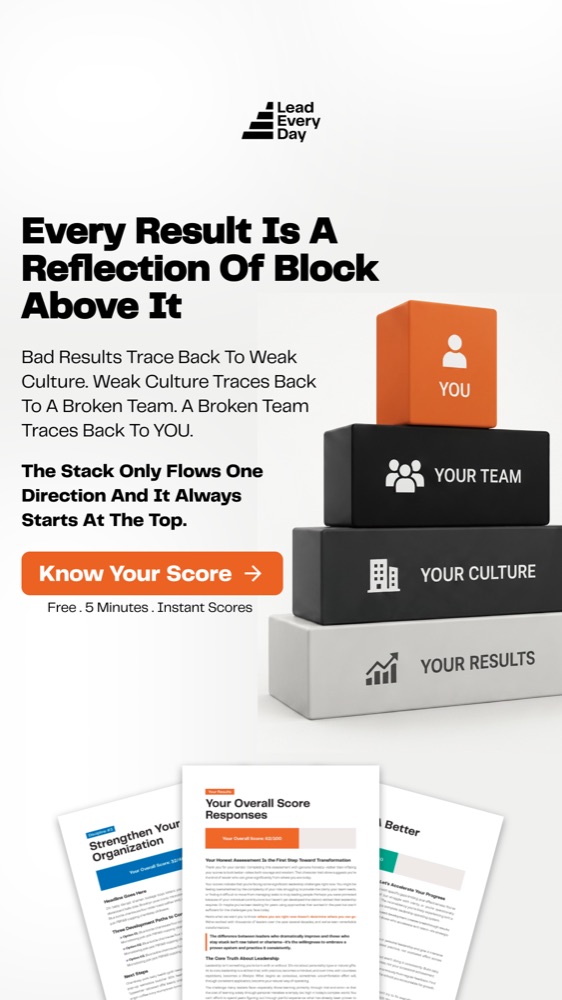
Getting more customers online is three jobs, done in order:
Get found → convert → follow up.
Or, put as a rough equation: customers = the right traffic × your conversion rate × your follow-up. Improve any one of the three and you grow. The biggest wins come from fixing whichever is currently your weakest. Most businesses obsess over the first one (traffic) while quietly leaking money on the other two.
Let’s take them in order.
The three jobs at a glance
| Job | What it does | Main channels | How fast | Where it breaks |
|---|---|---|---|---|
| 1. Get found | Bring the right people to you | SEO, paid ads | Ads: same day. SEO: months | Traffic that never converts |
| 2. Convert | Turn visitors into leads and sales | Landing pages, funnels | Days to set up | Sending clicks to a homepage |
| 3. Follow up | Recover and repeat customers | Email flows, CRM | Build once, runs forever | Having no follow-up at all |
Read the table top to bottom and you can already see the trap: most budgets pour into row one, while rows two and three quietly decide whether any of it turns into money.
Job 1: Get found
You can’t win customers who never find you. There are two ways to get found, and they’re a classic pairing, not a choice.
Organic (SEO). Showing up in search results without paying per click. It’s slow to build but compounds, and you own it. A page that ranks keeps working for years. The catch is that “SEO” now spans classic rankings plus being the answer AI tools quote, which sounds like three jobs but is really one foundation. If that alphabet soup is new to you, start with SEO vs AEO vs GEO. And before you budget for it, read how much SEO costs and how long it takes to work, because the timeline changes how you’d plan.
Paid (ads). Buying traffic instantly. It stops the moment you stop paying, but it’s fast and controllable, which is exactly what a business that needs leads this month wants. The first decision is which platform matches how people buy from you: Google Ads vs Meta Ads walks through capturing demand versus creating it. Then it’s a budget question: how much Google Ads cost for a small business.
Most businesses need both: ads for customers now, SEO so you’re less dependent on ad spend a year from now. The mistake is treating them as rivals. They solve different timelines.
Job 2: Convert the traffic
Here’s where most marketing budgets quietly bleed. You can get found perfectly and still make no money if the place people land isn’t built to convert them.
The most common and most expensive mistake is sending paid clicks to your homepage. A homepage is a menu built for everyone; a landing page is a focused destination built for one audience and one action. The gap between them is often the gap between ads that pay for themselves and ads that just spend. This one’s worth reading in full: landing page vs homepage, where should your ads send traffic.
What actually lifts conversion is boring and reliable: one clear offer, one obvious next step, proof that you can be trusted, and no distractions pulling people away from the action. Get the destination right and every other marketing dollar works harder, because more of the traffic you already have turns into actual customers. That’s the entire job of sales funnels and landing pages: give your traffic somewhere built to convert.
Job 3: Follow up and keep them
Most visitors won’t buy on the first visit. That’s normal, and it’s not the end of the story unless you have no follow-up, in which case it is.
The follow-up engine is email, and specifically automated flows: sequences that trigger off behaviour and run forever once you build them. A welcome flow, an abandoned-cart or enquiry flow, a post-purchase or onboarding flow, and a win-back flow will quietly recover and repeat more revenue than any newsletter. Automated flows routinely earn a bigger share of email revenue than one-off campaigns, for a fraction of the ongoing effort, because they run whether or not anyone hits send. Start with the email flows every business should set up first.
Follow-up is also where a CRM earns its keep: when your pipeline knows where each lead sits, your follow-up gets smarter and nothing falls through the cracks. That’s the bridge from marketing into automation and CRM, which is a whole discipline of its own.
How to measure each job
You can’t fix a weak link you can’t see. Each job has one or two numbers that tell you whether it’s working:
- Get found: visitors or sessions, plus search impressions and rankings for SEO, and cost per click and cost per lead for ads. Rising traffic with flat sales is a signal the problem is downstream, not here.
- Convert: your conversion rate, the share of visitors who take the action you want. Landing pages commonly convert somewhere around 2 to 5 percent, and a well-built, focused page can do noticeably better. If yours is well under that, conversion is your weak link.
- Follow up: repeat purchase or repeat enquiry rate, the share of revenue coming from email, and how many leads eventually become customers. If people buy once and vanish, follow-up is where the money is.
You don’t need a fancy dashboard to start. You need to know, roughly, which of the three numbers is worst. That’s your first project.
The mistake that stalls most businesses
Here’s the pattern we see constantly: a business decides it needs “more traffic,” pours budget into ads or SEO, and sees almost nothing back. The problem was never traffic. It was pouring good traffic into a leaky bucket: a page that doesn’t convert and a follow-up system that doesn’t exist.
More traffic multiplies whatever conversion and follow-up you already have. If those are weak, more traffic just wastes more money, faster. Fix the leak before you open the tap.
Where to start by business type
Your weakest link is often predictable from what kind of business you run. A rough guide:
| Business type | Usual weakest link | Start here |
|---|---|---|
| E-commerce / DTC | Follow-up (no cart or post-purchase flows) | Email flows, then paid ads |
| Service business | Conversion (a generic homepage doing sales) | A focused landing page and enquiry follow-up |
| B2B / SaaS | Follow-up and nurture (leads go cold) | CRM and email nurture, then SEO |
| Coaching / creator | Conversion (no clear offer page) | A funnel or landing page for one offer |
These are starting bets, not laws. Measure your three numbers, and if the data disagrees with the table, trust the data.
How to sequence it (for a small business with limited time)
If you’re starting from scratch, do it in this order:
- Make the destination convert. Build a focused landing page for your main offer. This makes every future traffic dollar work harder.
- Turn on one traffic source you can afford. Usually paid ads for speed, on the platform that matches how people buy from you.
- Add follow-up. Set up the core email flows so you keep earning from traffic that didn’t buy the first time.
- Build SEO in parallel. The compounding, owned channel that lowers your ad dependence over time.
- Layer in CRM and automation as volume grows and manual follow-up stops scaling.
Fix conversion, add traffic, catch the rest with follow-up, then compound. In that order.
How much should you spend?
There’s no single right number, but there are sane starting points. As a benchmark, businesses often spend somewhere around 5 to 10 percent of revenue on marketing to hold position, and more when they’re pushing hard for growth. Your margins and goals move that a lot.
On paid ads specifically, start small: a budget you can afford to learn with (often 1,000 to 3,000 dollars a month), and scale only the campaigns that reliably return more than they cost. Before that, spend on conversion and follow-up, because a better landing page and a working email flow raise the return on every ad dollar you’ll ever spend. Here’s a fuller breakdown of what Google Ads actually cost, and how the flat monthly model works if you’d rather one predictable number than a stack of separate retainers.
Why one team beats five vendors
Notice how connected these jobs are. Your ads decide who lands on your funnel. Your funnel decides who joins your email list. Your email decides who comes back. Your CRM ties it together. When five separate vendors each own one slice, the handoffs between them are exactly where customers fall through, and nobody owns the result. If that already sounds familiar, you’re feeling the cost of juggling five vendors.
When one team runs traffic, conversion and follow-up together, they actually connect, and someone is accountable for customers, not just clicks or opens. That’s the entire idea behind handling growth marketing as one connected service on a flat monthly fee, instead of stitching together specialists who never talk to each other. It’s also usually cheaper than five separate retainers: here’s how the pricing works, and what a productized agency is if the model is new to you.
The bottom line
Getting more customers online isn’t a mystery, and it isn’t one magic channel. It’s three jobs done in order: get found, convert, follow up. Most businesses over-invest in the first and neglect the other two, then blame the traffic. Fix your weakest link first (usually conversion or follow-up), sequence the rest sensibly, and keep the three connected so each one feeds the next.
Want one team to build the whole machine, traffic to conversion to follow-up, instead of managing five vendors who don’t talk? Book a call and we’ll map the fastest path to more customers for your specific business, starting with wherever your biggest leak is right now. Or see pricing to check the flat monthly fee first.